 What can a woman who ran for president in 1872 teach us about resilience today? Author Kate Danaher joins Mark Alyn on Late Night Health to discuss Unstoppable: The Victoria Woodhull Story, her historical novel about a woman who challenged the political and social expectations of her time. Their conversation connects Woodhull’s determination with the encouragement people can find in stories of courage and survival.
Danaher explores Woodhull’s willingness to speak openly about injustice, women’s independence, and the hypocrisy she saw around her. The discussion includes her confrontation with prominent preacher Henry Ward Beecher and the obscenity charges that followed the publication of controversial newspaper articles. Through repeated opposition, Woodhull continued making her voice heard.
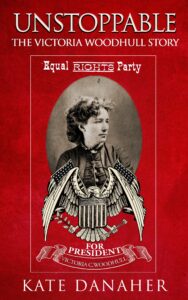 A former literature professor, Danaher also explains how writing restored the excitement of learning and sharing ideas that she loved about teaching. She describes working with historical researcher Mary Shearer to separate documented events from persistent myths, then imagining the private emotions and conversations between those events.
With additional volumes planned, Danaher hopes to bring a fuller picture of Woodhull to readers. This interview offers a lively look at historical storytelling, personal conviction, and the inspiration that comes from watching someone keep going despite extraordinary obstacles.
Author and international businessman Peter G. de Krassel returns to Late Night Health for a conversation with Mark Alyn about Israeli-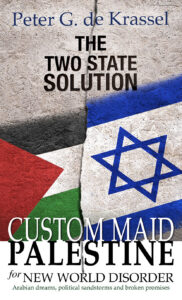 Palestinian relations and his book Custom Maid Palestine. The interview moves beyond the show’s usual health topics to examine conflict, coexistence, and the search for a more secure future.
Drawing on his upbringing, schooling, and business experience in the Middle East, de Krassel argues that familiar approaches to Palestinian statehood have failed. He proposes a different regional arrangement in which Israel and neighboring Arab countries would contribute territory toward a new Palestinian state. He describes modern infrastructure and economic opportunity as important elements of that vision.
Alyn presses him on why political leaders should consider his ideas. Their exchange also explores relations among Jewish, Muslim, and Christian communities, the influence of social media on public opinion, and de Krassel’s criticism of Benjamin Netanyahu’s government.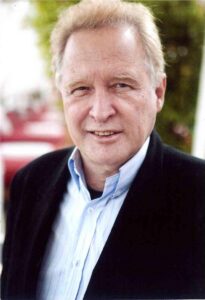
Throughout the discussion, de Krassel presents his own interpretation of regional history and the political barriers to peace. He acknowledges that acceptance of a new proposal would take time. The result is a challenging conversation inviting listeners to consider his alternative and the human consequences of prolonged conflict.
Listen to this exciting set of interviews here: